
The questionHow should India protect its seafarers and energy supply as the US-Iran war drags on?
How we got here
On 28 February 2026 the US and Israel began air strikes on Iran. Iran hit back at Israel and US bases in the Gulf and effectively closed the Strait of Hormuz, the narrow sea passage between Iran and Oman that usually carries about a fifth of the world's oil and gas. A ceasefire agreed in June broke down after both sides resumed strikes, and the US kept a naval blockade of Iranian ports. Fighting largely paused in August, then resumed on 1 September. India imports most of its crude oil, much of it from Gulf countries, and Indians make up about one in eight of the world's seafarers, so attacks on shipping put Indian crews in danger. According to the Shipping Secretary, 11 Indian seafarers had been killed in the Gulf since 28 February, as of mid-October.
Indian seafarers have been killed, injured or gone missing in attacks near Hormuz and off Oman. Higher crude prices raised India's oil import bill by 48% in April-August, which pressures the rupee and fuel prices. Refiners have had to switch between Gulf and Russian oil as routes open and close.
Where each side stands
India says all issues must be resolved through 'dialogue and diplomacy' and calls for freedom of navigation and the safety of seafarers. It has called attacks on commercial shipping 'unacceptable' and 'legally and morally indefensible', and raised the safety of Indian seafarers with Iran's security chief.
Akashvani (News On AIR) · The Hindu · CNBC-TV18President Donald Trump rejected Iran's offer to reopen the strait within seven days, saying the US already has 'total control' of it. The US military says its strikes target Iranian forces that attempted attacks on shipping and US troops.
BBC News · ReutersIran says the strait can reopen within seven days if the US meets its conditions, including releasing frozen funds, lifting sanctions and ending the naval blockade. Security chief Mohsen Rezaei called the US reply 'insufficient'. President Masoud Pezeshkian says economic pressure has harmed legitimate trade.
Al Jazeera · The Times of India · ThePrintThe timeline
India raises seafarers' safety with Iran and tells UN Security Council the escalation is 'deeply worrying'
On 11 October two Indians went missing after a drone hit MT Petro Dolphin; 11 Indians on MT On Peace were hurt on 6 October.

India's crude imports hit a 2026 high in September as Gulf oil returns despite Hormuz risks
Six Gulf producers supplied 39% of India's crude in September; Iraq sent 525,000 barrels a day.
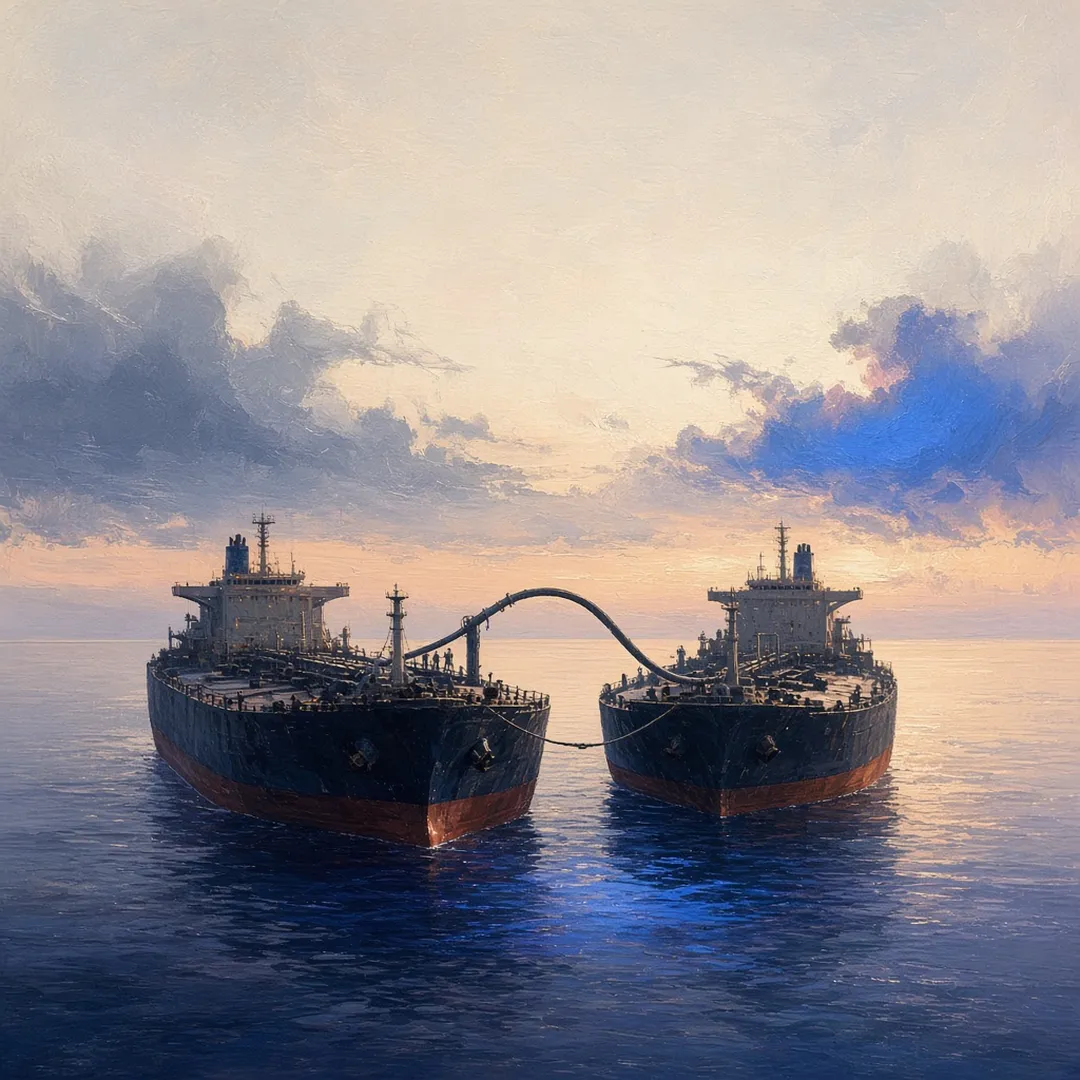
Trump rejects Iran's offer to reopen the Strait of Hormuz within seven days; Brent tops $107
Iran offered on 25 September to reopen Hormuz within seven days if the US met its conditions.

Indian seafarer killed and 19 rescued after attack on bulk carrier MV Cape Dao off Oman
One Indian crew member was killed and 19 rescued after the attack off Oman on 23 September.

Tanker with 14 Indian crew hit off Oman; 13 rescued, one missing, MEA calls attack 'unacceptable'
MT El Gaia was hit off Oman on 13 September; 13 Indian crew were rescued and one was missing.
Modi meets Iran's President Pezeshkian in Delhi, presses for freedom of navigation and seafarers' safety
Modi and Pezeshkian discussed West Asia on the sidelines of the BRICS summit in Delhi on 11 September.

US resumes strikes on Iran after a lull in August; oil jumps more than $4 a barrel
US strikes on IRGC targets began on 1 September after a lull in fighting through most of August.
What we still don't know
- ?Whether US-Iran talks through Qatar and other mediators produce a deal to reopen the strait.
- ?Whether the missing Indian seafarers from the El Gaia and Petro Dolphin attacks have been found.
- ?Who carried out several of the attacks on ships with Indian crews; most have not been claimed.
Sources
10 outlets across the spectrum. Leanings are a rough guide to who reported it, not a verdict on accuracy.
- CNBC-TV18India raises safety of seafarers and tankers with Iran amid attacks in Strait of Hormuz
- MoneycontrolIndia's oil import bill surges 48% in April-August to $75 billion on higher prices
- The Economic TimesIndia's crude imports hit 2026 high in September as Gulf supplies surge despite Hormuz risks
- Akashvani (News On AIR)PM Modi reiterates freedom of navigation & well-being of seafarers during bilateral meeting with Iranian President
- The HinduEscalation in hostilities in West Asia deeply worrying: India tells UNSC
- BBC NewsTrump rejects Iran deal to reopen Strait of Hormuz in seven days
Show all 11 sources
- ReutersUS-Iran strikes raise fears of renewed war across the Middle East
- Al JazeeraOil prices surge after Trump rejects Iran's plan to reopen Strait of Hormuz
- The Times of India'Insufficient': Iran refuses Hormuz talks until US meets 7 conditions, rules out negotiations before demands are met
- ThePrintIndia's Modi stresses need to protect navigation, seafarers in talks with Iran's Pezeshkian
- The HinduRahul Gandhi attacks PM over deaths of Indian seafarers in US strikes